Latest sermon postings
-
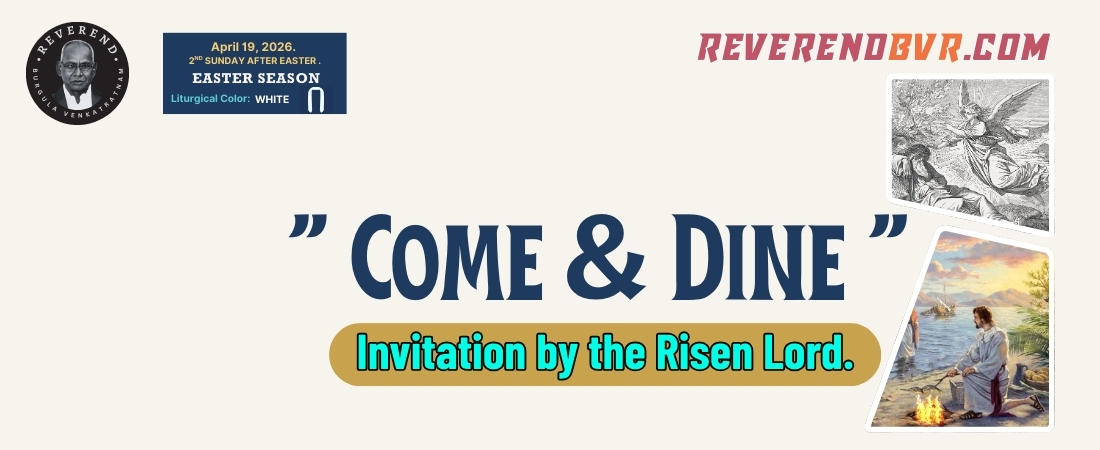
Come and Dine: Invitation by the Risen Lord

Across all the appointed readings, God reveals Himself as the One who meets exhausted, fearful, and disoriented people with sustaining presence. The risen Christ does not first correct, commission, or confront, but invites: “Come and have breakfast” (John 21:12). This divine invitation to eat is never merely about food; it is about restoration, renewal, and…
-
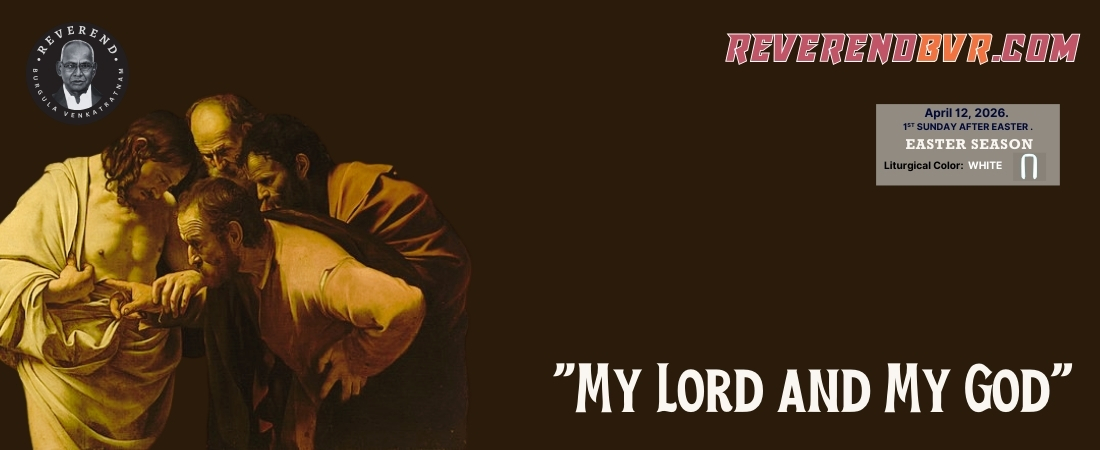
“My Lord and My God”

The confession “My Lord and my God” is not the end of doubt but its redemption. Across Scripture, God reveals himself not as an idea to be mastered but as the Living One who draws near: naming himself, humbling himself, bearing wounds, and calling forth trust. Faith, therefore, is not sight without questions; it is…
-
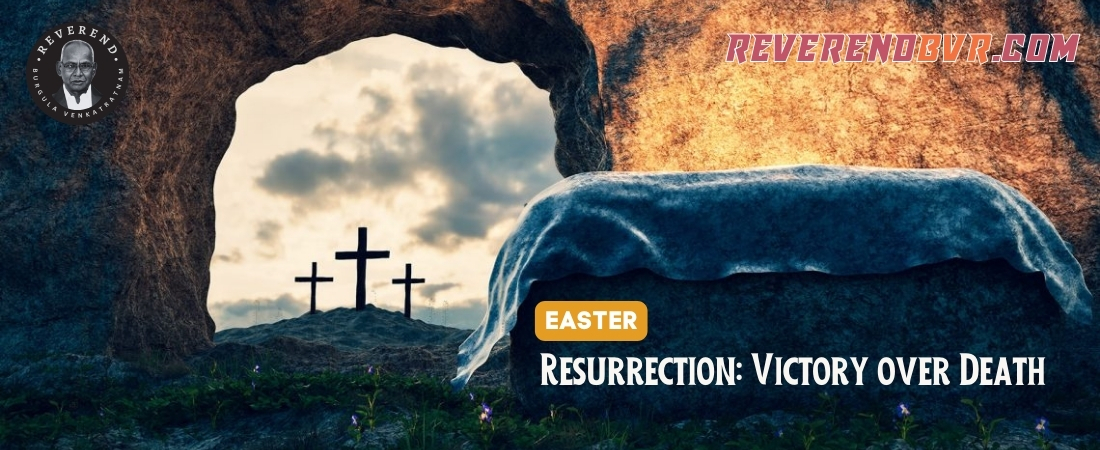
Resurrection: Victory over Death

The Resurrection proclaims not merely that Jesus lives again, but that death itself has been decisively unseated as the final authority over human life. Across all the appointed readings, God reveals a single, coherent act: the Creator who breathes life into dust, bones, and tombs is faithful to restore, transform, and dwell with humanity beyond…
-
“Father, into thy hands I commend my spirit.” (Luke 23:46).

In His final breath, Jesus does not cry in despair but in trust. The cross ends with a prayer, reminding us that the deepest act of faith is placing our lives into the faithful hands of God.
-
“It Is Finished” (John 19:30)

When Jesus cried, “It is finished,” He declared the completion of God’s redemptive work. The cross was not a moment of defeat but the fulfillment of divine love and justice. In that single word, Christ announced that the debt of sin was fully paid and the door of salvation was opened to the world.
-
“I thirst” (Gospel of John 19:28)

At the cross, the One who once offered living water to the thirsty world now whispers, “I thirst.” In this brief cry we see the mystery of redemption: the Son of God enters the depths of human suffering so that humanity’s deepest spiritual thirst may be satisfied.
-
“My God, my God, why have you forsaken me?”(Matthew 27:46; Mark 15:34)

Christ’s cry from the cross: “My God, my God, why have you forsaken me?”—reveals the depth of God’s love. In that moment, Jesus entered the darkest experience of human abandonment so that no human suffering would ever be outside the reach of divine compassion.
-
“Woman, behold thy son!… Behold thy mother!” (Gospel of John 19:26–27)

At the foot of the cross, Jesus does more than endure suffering; He creates a new family. By entrusting His mother to the beloved disciple, Christ reveals that the community of believers is bound together not merely by blood, but by sacrificial love.
-
“Today You Will Be with Me in Paradise” (Luke 23:43)

At the darkest moment of the crucifixion, Jesus offers an astonishing promise to a dying criminal: “Today you will be with me in paradise.” This word from the cross reveals the heart of the Gospel. that salvation is not earned by human merit but given freely through divine grace.
-
“Father, Forgive Them; For They Know Not What They Do” (Luke 23:34)

On the cross, Jesus prays for those who crucify Him, revealing a love that refuses to answer hatred with hatred. His words invite us to see the power of forgiveness as the very heart of God’s saving work.
-
The Cross: The Celebration of Life.

Good Friday proclaims a paradox at the heart of the Christian faith: the cross, an instrument of death, becomes God’s decisive act of life-giving love. What appears as defeat is revealed as victory; what looks like weakness becomes the power of God; what seems like the end becomes the beginning of new creation. Across Exodus,…
-
The Anointing of Jesus

Holy Week moves with dramatic intensity. On Palm Sunday the crowds shout Hosanna. On Monday the temple is cleansed. On Tuesday Jesus debates religious leaders in Jerusalem. But on Holy Wednesday, the narrative pauses in a quiet house in Bethany. In this still moment, a woman performs one of the most profound acts of devotion…
-
Questions and Answers

The Day of Questions: Holy Week is not only a week of suffering; it is also a week of deep theological confrontation. On Holy Tuesday, the temple in Jerusalem becomes the setting for a remarkable dialogue. Religious leaders—chief priests, scribes, and elders all approach Jesus not to learn but to test Him.
-
The Cursing of the Fig Tree : Leaves Without Fruit

God is not looking for religious appearance (leaves); He is looking for spiritual fruit produced through a living relationship with Christ. Centuries ago, On this Monday of Holy Week, Jesus performs a miracle unlike any other… He does not heal, He does not bless and He curses a fig tree. At first, it seems strange.…